
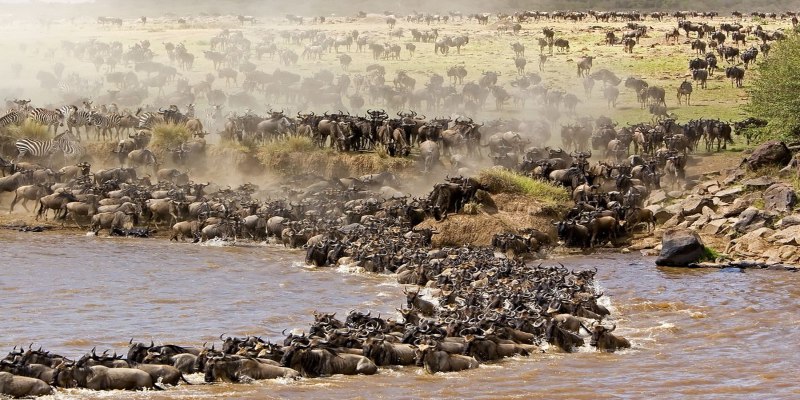
Are you wondering when is the Best Time to Visit Masai Mara in 2026? When to see the Great Migration?
Visit between July and October! In case you are looking for the best time to visit when there are less crowds and healthy populations of predators such as lions, leopards and cheetahs, visit between January and March.
For bird-watchers, the Best Time to go to Masai Mara is during the Green Season when migratory birds from all over the World can be seen everywhere.
For Wildlife photographers, conservancy specialists and Great Migration seekers the Best Time to Visit Masai Mara is during the dry season which are divided into two; the long dry season and short dry season.
The long dry season which occurs June and October coincides with Wildebeest MIgration.
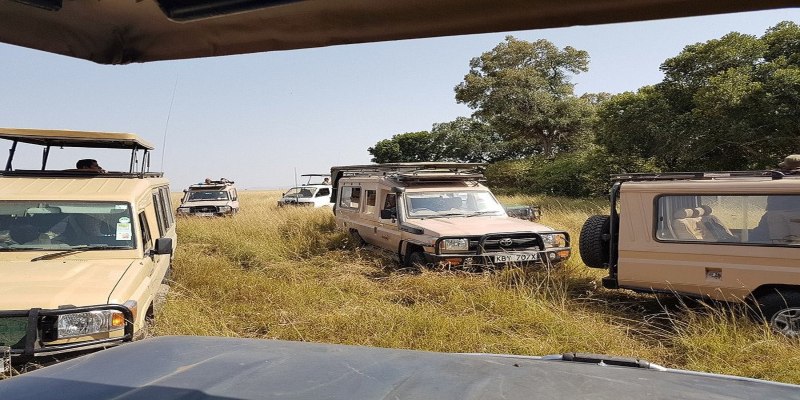
In this blog post, ‘Best Time to Visit Masai Mara: Migration & Weather Guide’ Zunguka Africa Safaris is going to breakdown when the Best Time to go to Masai Mara is.
Below is a table showing a summary of the best seasons and months to go for a Masai Mara Safari.
| Best Time to Visit Masai Mara 2026: Migration & Weather Guide | |
| The Great Migration Season | Between July and October |
| The Green Season | April to May and November to December |
| The Dry Season | June to October January to February |
The Great Migration is the largest migration on Earth. It involves more than 1.5 – 2 million wildebeests, along with zebras, and gazelles migrating from the Masai Mara National Reserve to the Serengeti National Park and back in search of water and fresh grass.
The most dangerous stage of the Great Migration is the river crossings at the Mara River. Thousands of preys are killed by the deadly crocodiles or swept away by the strong currents.
According to typical estimates, about 1,000 to 6,000 wildebeest die every year at the Mara River crossings.
Asides from the crocodiles and strong currents, stampedes, bottlenecks and exhaustion are also some of the leading causes of death among the wildebeests.
Before crossing the Mara river, these animals normally hesitate before they surge at once. As a result, the weak animals are caught off-guard and trampled to death.
So, Why do Wildebeest Migrate? The answer is simple, to survive!
As mentioned earlier on, the wildebeests, zebras and gazelles migrate in search of fresh grass and water. They follow the seasonal rains in the Masai Mara and the Serengeti.
Research has also shown that Wildebeests also migrate to avoid overgrazing. If these animals stayed in one place through-out the year, they would destroy the grasslands.
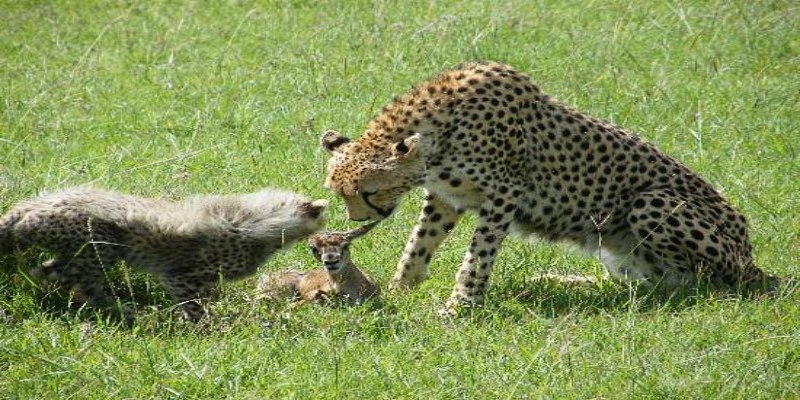
Another reason why the wildebeest migrate is because they prefer to calve in the Serengeti Park because it offers their newborns the highest chances of survival. The Masai Mara has healthy populations of predators such as lions, leopards and cheetahs which hunt the calvings day and night.
The Serengeti is also preferred by the Great Migration herds because of it’s vast wide plains which makes it easier for them to see predators from a far. The flat landscape greatly helps in reducing ambush attacks.
After the calving season comes to an end and the seasonal rains start to disappear in Serengeti, the wildebeests together with calves start migrating northwards towards the Masai Mara where fresh grass has sprouted. The cycle then repeats itself again after 6-7 months when the rains start to fail in the Mara.
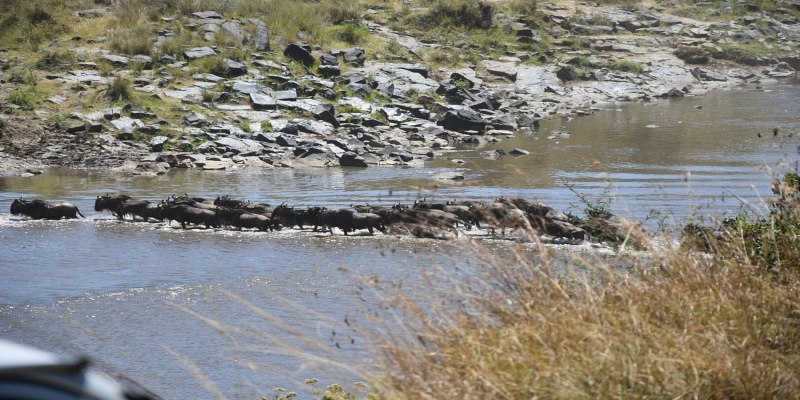
Based on our decades and decades of experience, we as Zunguka Safaris can comfortably assert that the Best Times to Visit the Masai Mara for the Great Migration are the months of July, August, September and October.
| Best Times to Visit the Masai Mara | Great Migration |
| July |
| August |
| September |
| October |
In July, large herds of wildebeests start to gather on the Southern side of the Masai Mara and tourists are already flocking nearby waiting for the action to begin anytime!
River crossings often begin when the herd size becomes too big and uncontrollable. The biggest crossings are usually spotted during the months of August and September.
In between these two months, the Great Migration is in full swing and there are multiple Mara River Crossings. Predators such as lions, leopards, hyenas and crocodiles are also very active around the Mara River and surrounding grazing areas.
By late November, the river crossings reduce and a good number of the wildebeests, zebras and gazelles are deep in the Serengeti ecosystem. The main areas where these animals can be found are Mbuze, Seronera Valley Lobo, and Mawe.
Some of the Best and Fun Masai Mara activities you can do between the months of July through October include;
The Green Season in the Maasai Mara refers to a period whereby there are seasonal rainfalls that attract migratory birds from North Africa and Europe such as storks, egrets, and raptors. It occurs between the months of April to May and November to December.
| Best Times to Visit the Masai Mara | The Green Season |
| April – May |
| November to December |
As much as the green season is unpopular among tourists, we as Zunguka Africa Safaris believe that it is Masai Mara’s Best Kept Secret and falls on our list of the Best Time to go to Masai Mara because of the following reasons;
Some of the fun activities you can do during the Green season include;
In general, the Green Season falls on our list of the Best Time to go to Masai Mara because there are fewer people in the camps and Masai Mara ecosystem. This makes it easy for them to enjoy exclusive and private safaris.
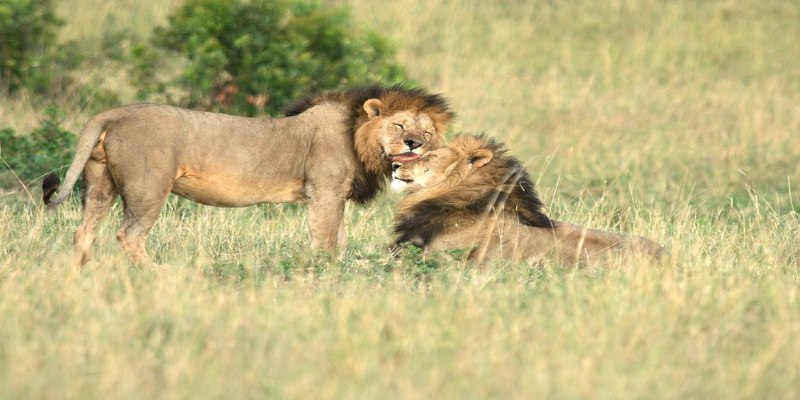
The long dry season is also a good time to visit the Masai Mara. It occurs during the months of June to October (long dry season). This is the most famous time and the Masai Mara National Reserve is normally crowded with tourists from Kenya and beyond.
| Best Times to Visit the Masai Mara | The Long Dry Season |
| June to October (Long Dry Season) |
| January to February (Short Dry Season) |
In case you would like to book accommodation during this time, we as Zunguka Africa Safaris believe that bookings should be done early to get the best spots.
During the long dry season, tourists can be able to view the dramatic Mara River Crossings and Great Migration as they coincide or occur during the same time.
The short dry season which occurs between the months of January to February is also an ideal time to visit the Masai Mara because there are fewer crowds and the low season has just began. As a tour operator with vast experience and knowledge about the Masai Mara Safaris, We believe It is the perfect time to go for a private and intimate Masai Mara Safari.
As much the Wildebeest Migration does not occur during the short dry season, it is highly advisable to try out a Masai Mara Safari during this time because of the exclusivity and private scenes!
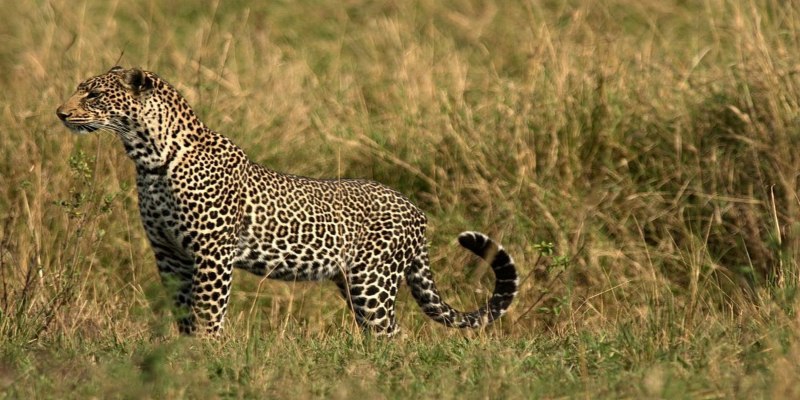
In summary, both dry seasons are among the Best Time to Visit the Masai Mara because the roads are passable. During the rainy season, the roads in the Mara become impassable. The black cotton soil that covers a majority of the area in this national reserve becomes incredibly sticky, slippery and very heavy even with light showers.
Finally, the dry season falls in our list of the Best Time to go to Masai Mara because it is very easy to spot wild animals. On a good day or complete Masai Mara Safari, tourists can be able to see all the Big 5 Animals and more than 450 bird species including the Secretary Bird and the Raptor.
Hot Air Balloon Safaris are also easy to plan and enjoy because the morning air is stable and very clean. During the rainy season, these air-borne safaris are often cancelled because of sudden wind gusts and low-lying mist. Generally, your chances of flying on your scheduled day are almost 100%
Some of the activities to do during the dry Season include; Game Drives, View the Great Migration, Walking Safaris in Conservancies, Sundowners, Bush Breakfasts, Wildlife Photography, Spotting the Big 5 just to mention a few.
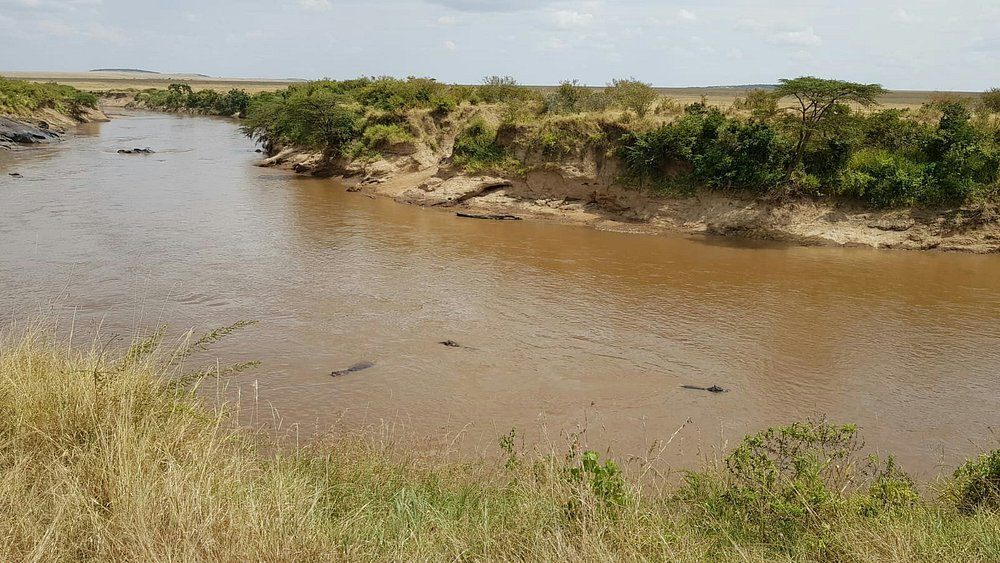
Masai Mara lies between 1,500 to 1,900 meters above the sea level. Despite the average climatic condition of this reserve being pleasant and mild for a safari, not all months are suitable for a visit.
Below are tables that break down the Masai Mara Weather Month By Month. They also identify the Best Time to go to Masai Mara based on the climatic conditions.
| Month | Weather Season |
| January | Short & Dry |
| February | Short & Dry |
| March | Start of Long Rains |
| April | Long Rains Continue |
| May | Long Rains Fading Off |
| June | Cool & Dry |
| July | Peak Dry |
| August | Peak Dry |
| Septemer | Peak Dry |
| October | End of Dry Season |
| November | Short Rains Begin |
| December | Short Rains Continue |
| Month | Day | Night |
| January | 28°C | 14°C |
| February | 28°C | 14°C |
| March | 27°C | 14°C |
| April | 25°C | 14°C |
| May | 25°C | 13°C |
| June | 25°C | 12°C |
| July | 24°C | 12°C |
| August | 24°C | 12°C |
| September | 25°C | 13°C |
| October | 27°C | 14°C |
| November | 27°C | 13°C |
| December | 27°C | 13°C |
| Month | What to Expect |
| January | The Lion Season |
| February | The Calving Season for Preys: High Predator Action |
| March | Migratory Bird Season & Long Rains |
| April | Muddy Roads & Lush Greenery |
| May | Long Rains Subside |
| June | Easy to Spot Animals in Waterholes & along Rivers |
| July | The Great Migration Arrives |
| August | Best time to Spot the Big 5 |
| September | The Great Migration is Still in Full Swing |
| October | 14°C |
| November | Great for Photography: Very Clear Air |
| December | Festive Safari: Viewing Resident Wildlife |
In general, the best month to visit the Masai Mara is between June to October during the long dry season, January and February during the short dry season.
One of the best reasons why this is the perfect season to visit the Masai Mara is because it coincides with the Great Migration. Tourists can be able to view the dramatic Mara River crossings and enjoy their game drives because the grass is generally shorter making it easy for them to spot predators.
Another reason why June through October falls on our list of the best time to visit the Masai Mara is because the average day and night temperatures are favorable for a safari. Daytime temperatures hover around 25°C while night temperatures hover around 10°C – 12°C.
January and February are also good and recommendable months to go to the Masai Mara because it is the Lion Season and Calving Season. There is a lot of predator action going on as preys such as zebras, buffaloes and impalas.
The worst time to visit the Masai Mara is during the long rainy season in the months of March, April and May. These are the wettest months, the roads are impassable, and some of the camps remain closed. Out of these three months, the wettest is April and the number of tourists is extremely low.
Are you ready for a Masai Mara Safari? Possibly a 3 Day Masai Mara Safari From Nairobi?
Talk to us! Send us a message on WhatsApp using the icon on the left or an inquiry via our Bookings Page!
You can also send us an e-mail at info@zungukasafaris.com