
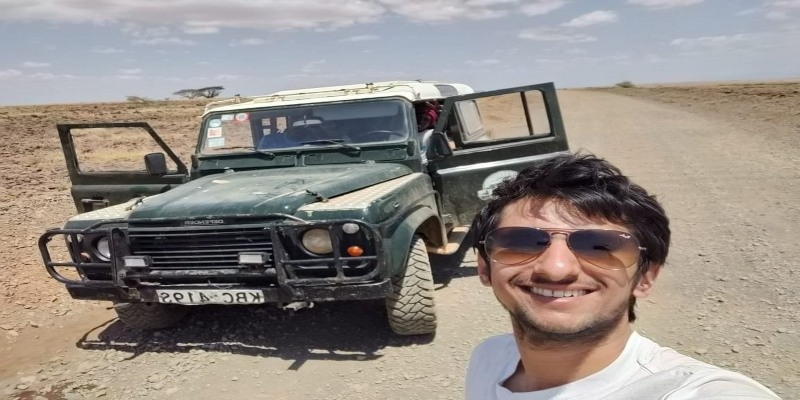
Chalbi is the Biggest Desert in Kenya. It covers an area of about 100,000 Km2 and is located in the Northern part of Kenya in Marsabit County.
In this blog, Zunguka Africa Safaris is going to identify How the Chalbi Desert was Formed, the climate and wildlife that can be found in the Chalbi and identify 3 reasons why you should go for a Chalbi Desert expedition.
Also, this blog will identify the Best Time to Visit Chalbi Desert is as well list down Fun Activities to do in Chalbi Desert.
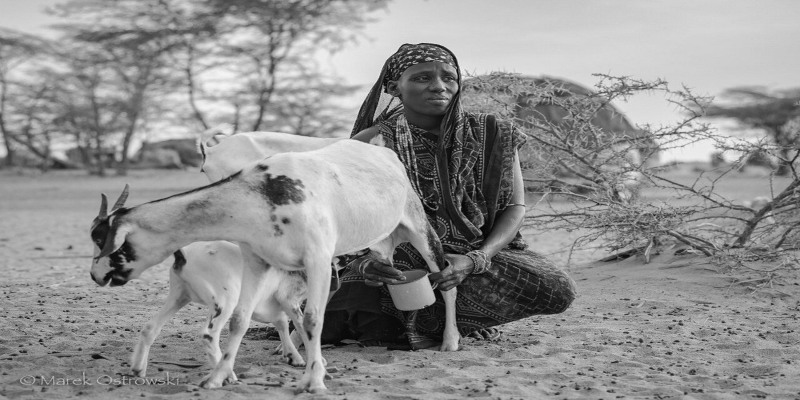
Focus will also be given on the People of the North (Rendile & Gabbra) who call Chalbi Desert their home, the massive sand dunes near the town of North Horr, Mount Kulal and the Kalacha Oasis, a little miracle within this arid area.
Thousands of years ago, the Chalbi was a big lake. However, due to the frequent earth movements at that time, low-lying basins around Lake Chalbi were formed. These basins trapped rain water and altered or blocked river channels that used to drain to the lake. In the long run, Lake Chalbi started to dry up.
Chalbi Desert was also formed after temperatures in the area increased drastically. As a result, evaporation became more stronger than water inflow. The lake gradually shrank and about 10,000 to 11,000 years ago, the Chalbi was formed.
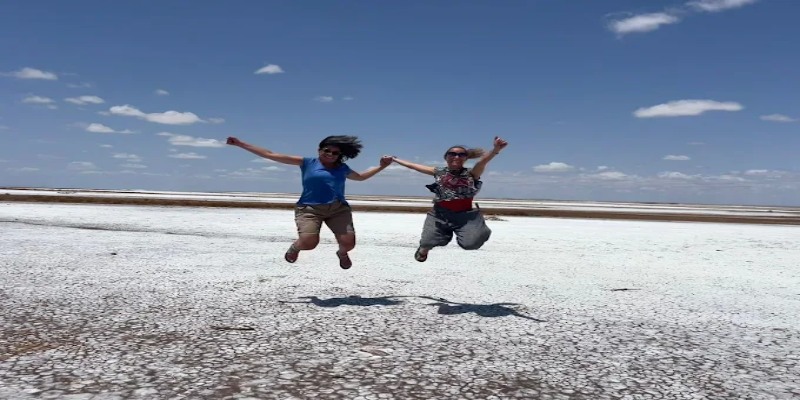
After all the waters of Lake Chalbi had drained or evaporated, fine mud hardened to form the visible flat plains while the salt deposits formed the white crust that is seen today.
So, Where is Chalbi Desert located?
The Chalbi Desert can be found towards the east of Lake Turkana, about 60 – 70 kilometers from Marsabit Town. The nearest human settlements to Chalbi are Maikona and Kalacha.
Kalacha is often visited because of it’s palm trees and oasis while Maikona is popular because of it’s proximity to volcanic landscapes.
From Nairobi to Chalbi Desert, the total distance is about 520 kilometers and the approximate it takes for a road transfer is 8 hours. The best access route is using Thika Superhighway then the Great North Road also known as the A2.
For tourists who prefer to fly, there is no direct connection from Nairobi to Chalbi. However, tourists can fly to Samburu or Nanyuki then enjoy the rest of the journey via a road transfer.
The route breakdown for this Northern Kenya Safari involves using the following roads:
Point to Note: In case you are on a self-drive safari to the Chalbi, ensure your fuel tank is full along the Marsabit-Moyale road as there are very few petrol stations along this road.
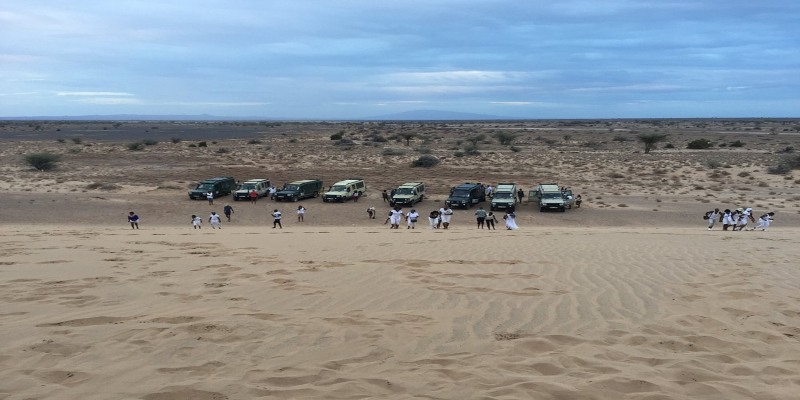
The Chalbi Desert plays a major role when it comes to Marsabit County tourism. Every year, this hidden gem attracts thousands of tourists who are in their 4×4, camel trekking and photography safaris from Marsabit
In case you are wondering why tourists like to visit the Chalbi Desert, here is why:
Despite being one of the most Remote Places to visit in Kenya , the Chalbi Desert is highly recommendable by Zunguka Africa Safaris for unique desert safaris.
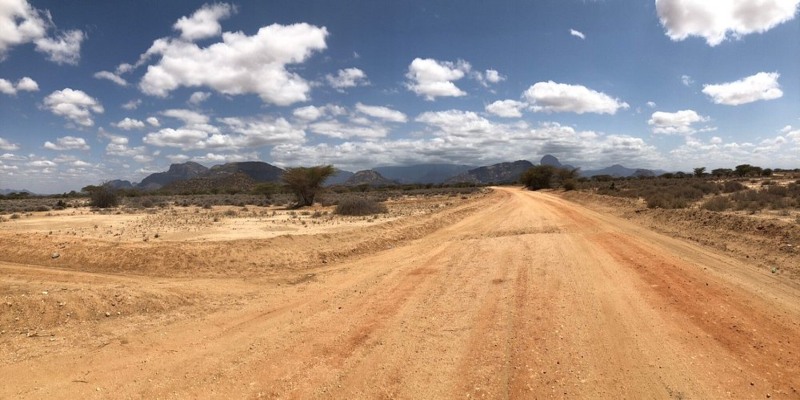
The Chalbi Desert is a playground for several fun activities to do. Without any particular order, here are 5 Fun Things to do in Chalbi Desert.
The thrill and adrenaline that comes along with extreme driving across flat salt pans and navigating soft dunes is unmatched. Imagine racing 4×4 cars in the desert? sounds fun right? In case you like rugged and bumpy rides you should consider booking one of our Desert Safaris.
Sandboarding is another fun activity you can do in Chalbi Desert. It Involves sliding down deep sand dunes using a sandboard. During my most recent visit to the Chalbi, I enjoyed this activity the most!
For travelers in the mood of experiencing the adrenaline that comes along with dune surfing, the Chalbi has some of the biggest and tallest sand dunes. Sliding down them with your friends and family is one of the best things you can ever do in this remote part of Kenya.
If you are looking to enjoy breathtaking views and take photographs of your Kenyan Desert Safari, the Chalbi is the right place to do it.
Being the only true desert in Kenya, the Chalbi has all the features and characteristics of a desert. The infinite salt pans, star-studded skies at night, and volcanic crater lakes create a beautiful background to take instagrammable pictures.
Camping is another fun thing to do during your Chalbi Desert Expedition. Despite camping being one of the most unique experiences to do during your Kenyan Safari, it is worth it. Imagine sleeping silent nights under wide, clear horizons, and star-studded skies. Sounds fun and adventurous, right?
The best camping areas in Chalbi Desert are near Kalacha Oasis, around North Horr area or at the edge of Chalbi near Marsabit.
The Chalbi Desert is also suitable for exploration. The best places to visit include Kalacha Oasis, a paradise within the desert and Mount Kulal. These spots are unimaginable and depict natural beauty that is incomparable.
The Chalbi Desert is considered to be the driest and hottest place in Kenya. It’s climate can be defined to be hot and cold. During the day, temperatures range from 36°C to 43°C while at night they fall to as low 14°C. The hottest months are January, February and March.
Rainfall is also very rare in the Chalbi Desert and when it comes it is sudden and heavy. Rainy months are March, April and May. On average, the Chalbi receives very little rainfall that ranges between 150mm – 200 mm. Sometimes, it lacks rainfall through out the year.
The Best Time to Visit Chalbi Desert is during the extreme dry seasons in the months of January through March. Other excellent months are June through September when the weather is cooler and the sun is less hotter.
If you would like to visit the Chalbi when temperatures are extremely hot, January, February and early March are the best months.
The worst months to visit the Chalbi Desert are March through May. During this time, there are sudden rains, vehicles get stuck easily and travel routes to Chalbi Desert may become unreliable.
For bookings and inquiries about our Safari packages to Chalbi Desert, you can send us an e-mail at info@zungukasafaris.com